

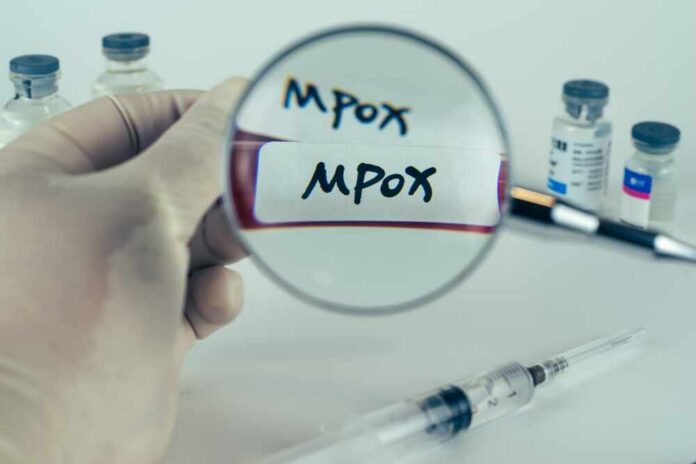
AI scientists just uncovered a hidden weak spot in the monkeypox virus.
Story Snapshot
- Researchers used artificial intelligence to identify a little-known monkeypox protein that triggers strong protective antibodies in lab tests.
- This discovery could reshape future monkeypox vaccines and expand government-backed vaccination campaigns.
- AI-driven biology raises serious questions about oversight, long-term safety, and potential government overreach in public health.
AI targets an obscure monkeypox protein for next-generation vaccines
Researchers turned to artificial intelligence to scan the monkeypox virus and highlight a lesser-known protein as a potential weak spot, something traditional methods had not prioritized. They then built a vaccine formulation around that protein and tested it in mice, where it triggered a strong antibody response that appeared to protect against infection. Early results suggest this protein could become a central ingredient in future monkeypox vaccines, potentially changing how pharmaceutical companies design their shots.
According to the available research summary, the AI system did more than crunch basic numbers; it evaluated which viral components were most likely to provoke a powerful immune defense without relying solely on past assumptions. That process flagged the previously underappreciated protein as a high-value target for a vaccine. After adding this protein to an experimental shot and administering it to mice, scientists observed robust immune activation, suggesting a promising path toward more focused, potentially more efficient monkeypox immunization approaches.
Watch:
https://www.youtube.com/watch?v=trOYTUFbH3w
Laboratory success in mice brings both promise and unanswered safety questions
Mouse studies showed that when this AI-selected protein was used as a vaccine ingredient, the animals mounted strong protective antibodies, often seen as an early indicator that a vaccine might work in humans. While that is encouraging from a scientific standpoint, animal data is only the first rung on a long ladder. There is no human trial data yet, no multi-year safety tracking, and no clear public explanation of how side effects would be monitored if this AI-designed vaccine platform moves forward aggressively.
Past experience with rushed vaccines during public health emergencies has already shaken trust, especially among Americans who value bodily autonomy and demand full transparency. Against that backdrop, a new AI-driven monkeypox vaccine may face justified skepticism. Without strong, independent oversight and open data, this technology could be pushed quickly into large-scale use before ordinary citizens fully understand the risks, benefits, and alternatives.
AI finds a surprising monkeypox weak spot that could rewrite vaccines – https://t.co/gXPhTwN8vv
— Ken Gusler (@kgusler) December 13, 2025
Got a health question? Ask our AI doctor instantly, it’s free.
AI-powered biotech and the risk of expanding government and corporate control
Artificial intelligence is becoming a powerful engine inside pharmaceutical research, allowing rapid design of vaccines and therapies that once took years to develop. That speed can be valuable in an outbreak, but it also enables bureaucrats and corporate partners to expand vaccination campaigns faster than public debate can catch up. When the same institutions that promoted sweeping COVID mandates now harness AI to guide new vaccines, concerns about overreach, profit incentives, and politicized “following the science” naturally resurface for many conservatives.
Because this discovery centers on a protein that is not widely known outside scientific circles, the public is almost entirely dependent on experts and agencies to explain what it does, how it behaves, and what unintended effects could occur when the immune system is trained against it. Without clear checks and balances, AI-guided vaccine design could become another tool in a top-down health regime that sidelines parental rights, religious objections, medical privacy, and the basic principle that free citizens—not bureaucrats—should ultimately decide what goes into their bodies.
Meet My Healthy Doc – instant answers, anytime, anywhere.
Sources:
https://www.sciencedaily.com/releases/2025/12/251212204834.htm