

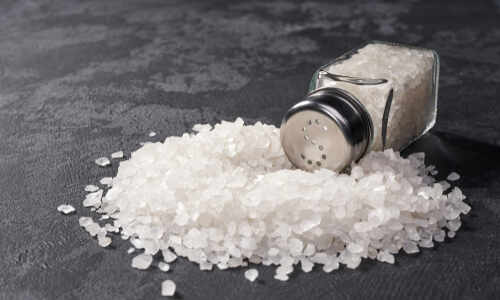
Cutting just one teaspoon of salt from your daily diet could drop your blood pressure by 8 points in a single week—matching the effect of medication without a single pill.
Story Snapshot
- A JAMA study of 213 participants found eliminating one teaspoon of daily salt lowered blood pressure by 8 points in just seven days
- The DASH diet, combining low sodium with potassium-rich foods, delivers even stronger results—up to 11 mmHg reductions in systolic pressure
- Americans consume 3,300 to 4,200 mg of sodium daily, far exceeding the recommended 1,500 to 2,300 mg limit for hypertensives
- A 2025 trial showed home-delivered DASH groceries dropped blood pressure by 3.4 mmHg and cut LDL cholesterol by 8 mg/dL over 12 weeks
The Salt Reduction Study That Turned Heads
A recent study published in the Journal of the American Medical Association tracked 213 people who slashed their salt intake by roughly one teaspoon daily for one week. The result? An average blood pressure drop of 8 points—comparable to what many prescription medications achieve. St. Vincent’s health organization amplified these findings, framing the dietary tweak as a potential replacement for pharmaceuticals. The trial’s simplicity is its appeal: no complex meal plans, no exotic ingredients, just less salt. Yet the study’s brevity raises questions about sustainability beyond seven days and whether participants could maintain such discipline in real-world settings saturated with processed foods.
Why DASH Delivers More Than Salt Cuts Alone
The National Heart, Lung, and Blood Institute developed the DASH diet in the 1990s, proving that nutrient-dense eating patterns do more than sodium restriction alone. DASH emphasizes fruits, vegetables, low-fat dairy, whole grains, and lean proteins while targeting potassium, calcium, and magnesium—minerals that actively counteract sodium’s blood pressure effects. The original 1997 trial demonstrated systolic pressure reductions of 5 to 11 mmHg, with hypertensive participants seeing the largest gains. Follow-up DASH-Sodium trials in the early 2000s confirmed that combining the eating plan with 1,500 mg daily sodium intake outperformed higher sodium limits, even when participants stuck to DASH foods.
The Numbers Behind America’s Sodium Problem
The average American consumes between 3,300 and 4,200 mg of sodium daily—more than double the recommended ceiling for those managing high blood pressure. U.S. guidelines advise staying under 2,300 mg per day, with an ideal target of 1,500 mg for hypertensives. Processed foods, restaurant meals, and packaged snacks contribute the bulk of this excess, making it nearly impossible to control intake without scrutinizing labels. The Mayo Clinic notes that DASH’s focus on whole foods naturally limits sodium while boosting potassium from sources like bananas, spinach, and yogurt. This dual action—cutting the bad, adding the good—explains why full DASH adherence beats isolated salt reduction in head-to-head comparisons.
Real-World Application: Groceries Delivered to Your Door
A 2025 trial presented at the American Heart Association’s AHA25 conference tested whether removing barriers could improve DASH adherence. Researchers provided home-delivered low-sodium DASH groceries plus dietitian support to Black adults with hypertension over 12 weeks. Participants receiving groceries saw systolic pressure drop by 3.4 mmHg and diastolic by 2.4 mmHg, while also cutting LDL cholesterol by 8 mg/dL. A control group receiving cash stipends to buy their own food showed no comparable benefit. Knowledge alone doesn’t change behavior when grocery stores stock aisles of high-sodium temptations and time-strapped families default to convenience.
Short-Term Wins Versus Long-Term Sustainability
The one-week salt reduction study grabbed headlines with its dramatic 8-point drop, but maintaining such results demands lifestyle permanence most people struggle to achieve. DASH trials spanning months reveal sustained but slightly smaller improvements—3 to 4 mmHg reductions over 12 weeks in the grocery delivery study, for instance. Long-term adherence lowers heart attack and stroke risk, improves lipid profiles, and supports weight management. The DASH-Sodium research confirms that sticking to 1,500 mg sodium daily while following the eating plan yields the largest cumulative benefits. Yet the gap between trial conditions and daily life—where pizza, deli meats, and canned soups dominate—remains vast for most Americans.
What the Experts Actually Recommend
The National Heart, Lung, and Blood Institute states bluntly that the greatest blood pressure reductions occur when DASH is paired with 1,500 mg sodium intake, benefiting everyone but especially those already hypertensive. American Heart Association researchers emphasize that grocery-based interventions outperform financial incentives because they remove decision fatigue. Mayo Clinic experts highlight DASH’s potassium-rich foods as critical, not just sodium cuts—potassium actively relaxes blood vessel walls. MedlinePlus confirms DASH lowers blood pressure, cholesterol, and weight when followed consistently. The one-teaspoon salt story, while rooted in legitimate findings, oversimplifies by ignoring the synergistic power of the full dietary pattern these institutions endorse.
The Broader Economic and Health Implications
Reducing reliance on antihypertensive medications through diet could slash healthcare costs tied to doctor visits, prescriptions, and emergency interventions for heart attacks and strokes. Socially, DASH empowers individuals to take control without waiting for medical appointments or battling insurance approvals. Politically, NIH and AHA advocacy has influenced food labeling policies and industry reformulation efforts, though the processed food sector resists aggressive sodium limits that might dampen profits. The food industry sees opportunity in low-sodium product lines and fresh produce demand, but profitability still tilts toward shelf-stable, salt-heavy convenience items that undermine public health goals.
Sources:
Can this Simple Diet Change Replace Blood Pressure Meds? – St. Vincent’s
DASH Diet: Healthy Eating to Lower Your Blood Pressure – Mayo Clinic
Your Guide to Lowering Your Blood Pressure with DASH – NHLBI
DASH Diet to Lower High Blood Pressure – MedlinePlus
Managing Blood Pressure with a Heart-Healthy Diet – American Heart Association
Health Benefits of DASH – NHLBI