

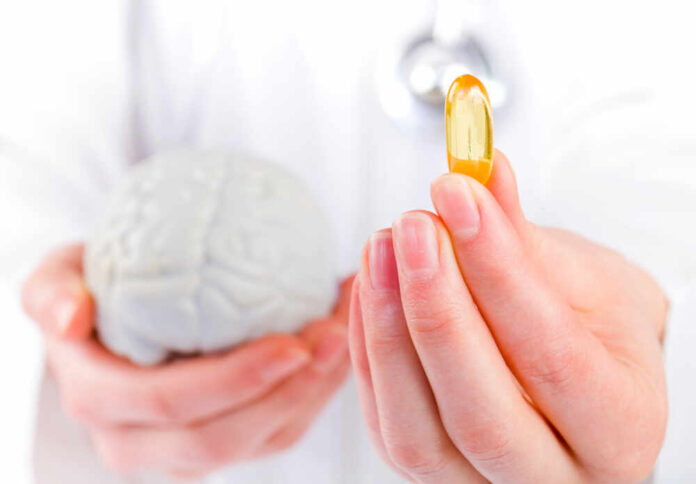
A single supplement may bridge the gap between your muscles and your brain, unlocking cognitive benefits that have nothing to do with IQ tests and everything to do with how your body talks to itself.
Story Snapshot
- Creatine enhances the muscle-brain axis by boosting energy production and triggering the release of myokines, signaling molecules that cross into the brain to support cognitive function.
- 2025 scientific reviews position creatine as uniquely effective for dual benefits, targeting ATP buffering and pathways like mTOR and PGC-1α that influence both muscle growth and brain health.
- Research shows creatine combined with resistance training may protect against age-related sarcopenia and cognitive decline, with mechanisms tied to brain-derived neurotrophic factor elevation.
- Evidence remains correlative rather than causal, with experts calling for rigorous trials to establish optimal dosing and long-term cognitive outcomes.
Your Muscles Are an Endocrine Organ
Muscles do more than move you. They function as endocrine organs, secreting myokines during contraction that travel through your bloodstream and cross the blood-brain barrier. These signaling proteins, including brain-derived neurotrophic factor and irisin, influence memory consolidation and neuroplasticity in the hippocampus. The muscle-brain axis concept emerged in the 2020s as researchers traced exercise benefits beyond cardiovascular fitness. Creatine enters this picture by amplifying the energy available for muscle contractions, potentially increasing myokine production and training volume, which in turn feeds back to the brain with protective effects.
This axis matters because aging strips both muscle mass and cognitive sharpness simultaneously. Sarcopenia, the loss of muscle tissue after age 40, correlates with declining brain function. Addressing one may address the other. Creatine’s role in ATP regeneration supports the high energy demands of both tissues, making it a logical candidate for dual-target interventions. The hypothesis gained traction through 2025 narrative reviews synthesizing decades of foundational work on creatine’s ergogenic effects and newer discoveries about muscle as a communication hub for the central nervous system.
How Creatine Powers the Axis
Creatine works by buffering adenosine triphosphate, the cellular energy currency, through the phosphocreatine system. In muscle, this allows sustained contractions and greater training intensity. In the brain, creatine supports mitochondrial biogenesis and reduces oxidative stress. The 2025 reviews highlight pathways like PGC-1α and FNDC5, which regulate irisin production during exercise. Creatine supplementation appears to upregulate these pathways, elevating myokines that stimulate BDNF expression in the hippocampus. BDNF acts as fertilizer for neurons, promoting synaptic growth and plasticity critical for learning and memory retention.
The supplement also activates mTOR signaling, a master regulator of protein synthesis in muscle, and supports calcium-mediated contractions that amplify myokine release. These mechanisms distinguish creatine from other supplements. Branched-chain amino acids, for instance, target protein synthesis but lack the bioenergetic boost. Probiotics and curcumin address inflammation along the gut-brain axis but do not directly fuel muscle contractions. Creatine’s unique position at the intersection of energy metabolism and signaling makes it a standout for those seeking combined neuromuscular benefits, particularly when paired with resistance training.
Evidence From Aging Populations
Studies on older adults reveal creatine’s practical impact. Multi-ingredient formulas combining creatine with whey protein, vitamin D, and omega-3 fatty acids demonstrated superior lean mass and strength gains in sarcopenic elderly compared to placebo. The cognitive angle remains more modest but measurable. Individuals with low baseline creatine levels, often vegetarians or older adults, show improvements in memory tasks and processing speed after supplementation. These gains are strongest when creatine accompanies resistance exercise, suggesting the axis functions bidirectionally: muscles signal the brain, and the brain’s improved function may enhance motivation or coordination for continued training.
Researchers caution that the evidence is correlative, not causal. Study designs vary widely in dosing protocols, ranging from loading phases of 20 grams daily to maintenance doses of 3 to 5 grams. Participant responses differ based on diet, genetics, and baseline muscle phosphocreatine saturation. Long-term randomized controlled trials tracking neuromuscular and cognitive outcomes simultaneously are scarce. The hypothesis that creatine amplifies myokine production via increased ATP availability remains untested in direct mechanistic studies. Yet the convergence of findings across exercise physiology, neurology, and geriatrics lends weight to the muscle-brain axis framework.
Comparing Alternatives and Limitations
Creatine faces competition from other supplements marketed for brain or muscle health. BCAAs emphasize leucine’s role in protein synthesis and show preliminary links to hippocampal plasticity, but reviews note less definitive cognitive effects and no emphasis on energy buffering. Gut-targeted interventions like tart cherry extract or probiotics reduce systemic inflammation, which indirectly supports cognition, but they do not directly address muscle signaling. Creatine’s safety profile strengthens its case. Decades of research confirm minimal side effects in healthy populations, though individuals with kidney dysfunction should consult physicians before supplementation.
The supplement industry promotes creatine formulations aggressively, sometimes outpacing the science. Consumer blogs tout brain-boosting benefits with less rigor than peer-reviewed journals. The core evidence rests on narrative reviews synthesizing prior trials, not on breakthrough interventions. Individual variability means some users experience negligible effects. The “one supplement” framing from research interpreters simplifies a complex system. Muscle-brain communication involves dozens of myokines, hormones, and metabolic pathways. Creatine influences several, but it is not a magic bullet. Expectations should align with evidence: enhanced training capacity, modest cognitive support, and potential protective effects against age-related decline when combined with exercise.
Practical Takeaways for Over-40 Readers
For readers navigating middle age and beyond, creatine offers a low-risk adjunct to resistance training. A typical protocol involves 3 to 5 grams daily, taken consistently rather than cyclically. Pairing supplementation with compound lifts like squats or deadlifts maximizes myokine release and muscle engagement. The cognitive benefits may not manifest as sudden clarity but as sustained resilience against the gradual decline that accompanies sedentary aging. Monitoring strength gains and functional mobility provides tangible feedback, while any cognitive edge remains a secondary bonus tied to the muscle-brain feedback loop.
Critics might question whether exercise alone suffices. Studies suggest creatine amplifies the signals exercise generates, raising training volume tolerance and myokine output beyond what contraction alone achieves. This amplification matters for older adults who cannot train at high intensities or for those seeking efficiency in limited workout windows. The intersection of muscle health and brain health reflects a broader truth: the body’s systems communicate relentlessly. Ignoring one undermines the other. Creatine’s role in this axis, while still under investigation, aligns with principles of maintaining metabolic vitality across tissues.
Sources:
Creatine supplementation and muscle-brain axis: a new possible therapeutic target?
Aging, exercise, and muscle-brain axis narrative review
BCAA and muscle-brain axis review
Creatine builds muscle, but what could it do for your brain?