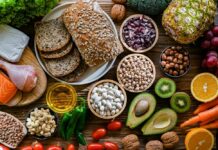


Three overlooked nutrients—vitamin K, daily multivitamins, and a trace fatty acid called C15:0—are rewriting the script on how we age, targeting everything from brain inflammation to cellular clocks that predict mortality.
Story Snapshot
- Tufts University research links vitamin K deficiency to impaired memory, learning, and increased brain inflammation in mouse models
- COSMOS trial published in Nature Medicine shows daily Centrum Silver multivitamins slow epigenetic aging by approximately 4 months over 2 years in older adults
- Navy-funded dolphin research identifies C15:0, the first essential fatty acid discovered in 90 years, outperforming drugs like rapamycin in longevity pathways
- All three nutrients work through whole foods—leafy greens, affordable supplements, or fatty fish—rather than expensive pharmaceutical interventions
The Vitamin Hiding in Your Salad Bowl
Vitamin K has lived in the shadow of its flashier cousins for decades, known primarily for blood clotting and bone density. Tufts University researchers flipped that narrative when they fed mice a vitamin K-deficient diet for six months and watched their brains deteriorate. Memory faltered. Learning capacity dropped. Hippocampal neurogenesis—the birth of new brain cells critical for cognitive function—ground to a halt, while inflammation surged. Lead researcher Tong Zheng documented these changes in precise detail, but senior author Sarah Booth delivered the punchline that matters to anyone over 40: eat your vegetables, not supplements.
Leafy greens like kale, spinach, and broccoli pack vitamin K in abundance, yet most Americans treat these foods like garnish rather than medicine. Booth’s team emphasizes whole-food sources because nutrients work synergistically in their natural form—a concept supplement manufacturers conveniently ignore. The hippocampus, that seahorse-shaped region governing memory and spatial navigation, depends on vitamin K to suppress inflammatory pathways that accelerate cognitive decline. Mouse models translate imperfectly to humans, but the mechanistic evidence—reduced neurogenesis, elevated inflammation markers—aligns with broader dementia research. The takeaway: your brain needs greens as much as your heart does.
The Drugstore Supplement That Rewrites Your Biological Clock
Centrum Silver sits on pharmacy shelves next to arthritis creams and reading glasses, the epitome of unglamorous aging. Yet the COSMOS trial, published March 13, 2026, in Nature Medicine, elevated this mundane multivitamin to epigenetic stardom. Researchers analyzed blood samples from roughly 1,000 older adults who took either Centrum Silver or a placebo daily for two years. The multivitamin group aged slower according to epigenetic clocks—molecular markers that predict mortality more accurately than chronological age. The biological advantage? Approximately four months of cellular youth reclaimed, with the strongest effects seen in participants whose clocks were racing fastest.
Haleon, Centrum’s parent company, funded the trial but the randomized, placebo-controlled design insulates findings from commercial bias. The epigenetic clocks measured—DNAm GrimAge and others—track inflammation, metabolic dysfunction, and cellular wear linked to early death. Slowing these clocks by even a few months carries weight in a world where 1.4 billion people will be 60-plus by 2030. COSMOS researchers caution that longer studies are needed to confirm durability, but the mechanism makes sense: micronutrient gaps sabotage DNA repair, mitochondrial function, and antioxidant defenses. A daily multivitamin fills those gaps cheaply and safely, no prescription required.
The Fatty Acid Dolphins Taught Us to Value
Stephanie Venn-Watson, a veterinary epidemiologist, was not looking for a human longevity breakthrough when she studied aging dolphins in the U.S. Navy program. She was trying to solve a veterinary problem: dolphins fed lean fish developed conditions resembling metabolic syndrome and accelerated aging. Metabolomics revealed the culprit—deficiency in pentadecanoic acid, or C15:0, a trace fatty acid nobody considered essential. When dolphins ate fattier fish rich in C15:0, their health reversed. Venn-Watson then discovered something startling: C15:0 activates the same longevity pathways as caloric restriction—AMPK activation, mTOR inhibition, sirtuin support—but without starvation. In cellular models, it outperformed rapamycin and metformin, drugs celebrated for anti-aging potential.
C15:0 is the first essential fatty acid identified since the 1930s, when omega-3 and omega-6 joined the canon. Whole-fat dairy, certain fish, and grass-fed meats contain it, but modern low-fat dietary dogma stripped it from plates. Venn-Watson’s eight studies over three years mapped C15:0’s role in repairing mitochondria, quelling reactive oxygen species, and dampening inflammation—hallmarks of aging that pharmaceuticals chase with side effects. Dr. Mark Hyman amplified her findings on his podcast, positioning C15:0 as a metabolic reset switch hidden in foods we’ve been told to avoid. The Navy dolphins, unwitting pioneers, showed that nutrition sometimes trumps intervention when we pay attention to what evolution designed bodies to consume.
What This Means for Anyone Counting Candles
These three nutrients converge on a singular truth: aging well depends less on exotic superfoods than on unglamorous consistency. Vitamin K from greens protects neurogenesis and fights brain inflammation. Multivitamins shore up micronutrient deficits that accelerate epigenetic aging. C15:0 mimics caloric restriction’s cellular benefits through whole-fat foods. Each study underscores whole-diet approaches over supplement shortcuts, though the COSMOS trial validates affordable multivitamins for those whose diets fall short. The economic impact looms—multivitamin sales will rise, the food industry may rehabilitate whole-fat dairy, and public health policy could pivot toward nutrition-first aging strategies.
Uncertainties remain. Mouse and dolphin models need human validation. The COSMOS trial tracked participants for only two years; will benefits persist over decades? No head-to-head comparisons exist between these nutrients, so prioritization remains guesswork. Yet the direction is clear: nutrition science is shifting longevity conversations away from pharmaceutical dependence toward accessible, evidence-backed dietary choices. Harvard’s David Sinclair told the World Government Summit 2026 that aging reversal is imminent—a bold claim, but one that aligns with trials showing cellular clocks can rewind. For anyone over 40 watching their peers slow down, the message is practical: fill your plate with greens, consider a multivitamin, and rethink the fat you’ve been avoiding. Your cells are listening.
Sources:
This underrated nutrient could be key for healthy brain ageing
Study Shows Slower Biological Ageing
The Newly Discovered Nutrient That Could Slow Aging
The future of eating: Nutrition trends that will shape 2026
Ageing could soon be reversible, says Harvard scientist at WGS 2026