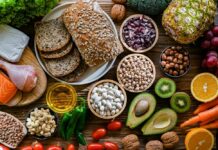

The foods you eat might work better than pills at taming your blood pressure, and three decades of research proves it.
Story Snapshot
- The DASH diet drops systolic blood pressure by 5-11 mmHg through nutrient-rich foods, not medications or supplements
- DASH specifies daily servings of fruits, vegetables, whole grains, and low-fat dairy while slashing sodium, saturated fats, and added sugars
- NIH-funded trials since 1997 consistently demonstrate heart disease and stroke risk reductions through this eating plan
- A 2026 Phase 2 trial tests food delivery and cooking lessons to boost adherence among hypertensive, obese adults
- Over 1 billion people globally battle hypertension, with 70% also struggling with obesity
The Government Blueprint That Challenges Big Pharma
The DASH diet emerged from NIH-funded research in the mid-1990s, arriving at a time when pharmaceutical companies dominated hypertension treatment. The 1997 DASH trial showed that strategic food choices could match medication effects without side effects or monthly prescription costs. Researchers linked specific nutrients—potassium, calcium, and magnesium—to vascular health improvements, challenging the prevailing notion that drugs offered the only reliable solution. The approach gained traction not through corporate marketing but through rigorous government studies demonstrating measurable blood pressure drops. This positioned DASH as a threat to an industry built on lifelong medication dependency.
What Makes DASH Different From Generic Diet Advice
DASH eliminates the guesswork plaguing most dietary recommendations. For a 2,000-calorie daily intake, the plan prescribes four to five servings each of fruits and vegetables, six to eight servings of whole grains, two to three servings of low-fat dairy, and limited portions of lean meats. This precision separates DASH from vague counsel to “eat healthier” or “cut back on salt.” The Mayo Clinic emphasizes these specific targets because they deliver consistent results across diverse populations. DASH doesn’t require exotic ingredients or expensive supplements—just grocery store staples arranged in deliberate proportions that optimize nutrient intake while restricting hypertension triggers.
The Numbers That Prove Food Works as Medicine
Systolic blood pressure reductions of 5-11 mmHg might sound modest, but they translate to significant heart attack and stroke prevention across populations. The DASH-Sodium trial in the 2000s confirmed that coupling DASH principles with sodium restriction amplifies these effects beyond either intervention alone. Participants also experienced improved lipid profiles and weight loss, addressing multiple cardiovascular risk factors simultaneously. Unlike medications that target single pathways, DASH’s nutrient density creates compounding benefits. The NHLBI reports no major side effects in trials spanning weeks to months, contrasting sharply with pharmaceutical options carrying risks from dizziness to kidney complications.
Why Obesity Changes the Hypertension Equation
Seventy percent of hypertensive adults also carry excess weight, creating a dual threat that standard DASH protocols didn’t initially address. The 2026 FIM+DASH trial tackles this overlap by adding home food delivery and cooking education to traditional dietary guidance. Researchers recognized that knowledge alone fails when patients lack access to fresh produce or cooking skills. The trial’s experimental arm provides 12 weeks of delivered DASH-compliant meals alongside hands-on sessions teaching meal preparation, followed by 12 weeks of maintenance support. This infrastructure acknowledges that sustainable behavior change requires removing barriers, not just dispensing advice. Early-stage screening suggests strong interest among participants tired of medication side effects.
The Real-World Challenge Nobody Discusses
DASH’s effectiveness in controlled trials doesn’t guarantee success in chaotic daily life. Internet-based DASH programs show promise, with participants maintaining weight and blood pressure improvements after 12 months, but adherence remains the critical variable. The FIM+DASH trial’s focus on delivery and education reflects awareness that meal planning, grocery shopping, and cooking demand time many working adults lack. Prior DASH variants improved cardiometabolic markers in research settings, yet translating lab success to kitchen tables where families juggle schedules and preferences presents obstacles researchers now acknowledge. The trial’s active control group receiving usual care will reveal whether intensive support justifies the investment versus standard medical guidance.
What the Government Won’t Emphasize
DASH represents a philosophical shift toward personal responsibility and away from pharmaceutical dependency, aligning with conservative principles of self-sufficiency and limited government intervention in healthcare choices. The NIH’s “Food is Medicine” initiative sounds compassionate, but it also transfers hypertension management burden from doctors writing prescriptions to individuals navigating grocery stores and kitchens. This empowers motivated patients while potentially disadvantaging those lacking resources or education. The economic argument—reduced healthcare costs from fewer medications and cardiac events—benefits insurers and taxpayers more than pharmaceutical companies losing customers. DASH’s success threatens revenue streams, which may explain why it remains underutilized despite three decades of evidence. The diet works, but systemic incentives favor pills over produce.
Sources:
Phase 2 Hypertension Trial – WithPower
DASH Diet: Healthy Eating to Lower Your Blood Pressure – Mayo Clinic