

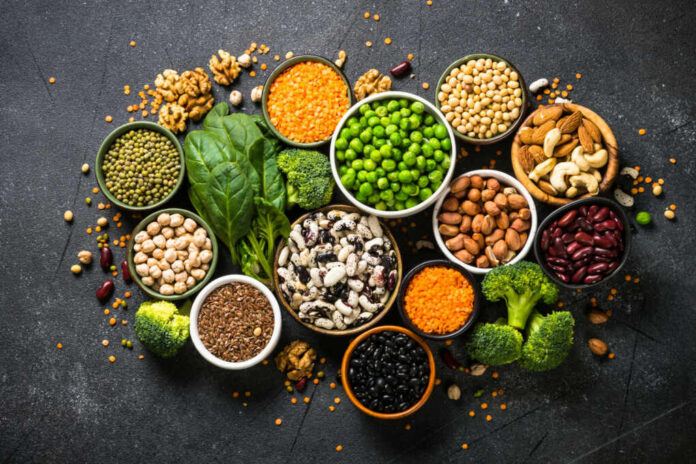
Your gut might not need another supplement; it might just need the weird vegetables you walk past every week.
Story Snapshot
- Most of your gut’s “good bugs” live on fiber, prebiotics, and plant compounds that come from vegetables.
- Science points to plant diversity and underused veggies, not just salads and baby carrots, as a quiet gut-health lever.
- Overlooked vegetables like Jerusalem artichokes, leafy greens, and fermented carrots can change which microbes dominate your gut.[2]
- The real win is 30 different plants a week, mixing common and “odd” vegetables to build a resilient microbiome.
Why Your Gut Is Bored With Your Usual Salad
Your gut microbiome is like a small town: the more tradespeople you have, the better the town runs. When most meals rotate between lettuce, tomatoes, and maybe broccoli, you feed only a narrow set of microbes. Large projects like the American Gut Project show that people who eat 30 or more different plants per week have more diverse gut bacteria than those who eat fewer than ten. That diversity links to better immunity, lower inflammation, and healthier metabolism.
Harvard’s nutrition research backs this broad picture. Fruits and vegetables provide indigestible fiber that absorbs water, bulks stool, and helps prevent constipation while calming irritable bowel symptoms.[5] That fiber reaches the colon, where bacteria ferment it into compounds that help keep the gut lining strong and reduce inflammation. A review in a major medical journal adds that polyphenols and other plant chemicals in vegetables also support beneficial bacteria and gut diversity.[6]
The Overlooked Workhorses: Fibers, Prebiotics, and Polyphenols
Your own enzymes cannot break down certain fibers, resistant starches, and plant chemicals, but your gut microbes can. Scientists at the United States Department of Agriculture describe how fibers and polyphenols in fruits and vegetables act as “prebiotics,” feeding microbes that are linked with better health outcomes.[7] When these compounds reach the colon, they help good bacteria grow and may increase the diversity of species tied to healthier weight, immunity, and lower disease risk.[7]
That is why often-ignored vegetables matter. Many of them are especially rich in these “microbe foods.” Jerusalem artichokes, for example, are one of the richest natural sources of inulin, a prebiotic fiber that nourishes specific bacteria that produce butyrate, a compound that supports the gut barrier and helps control inflammation.[2] Bitter vegetables like radicchio and other chicories add polyphenols that can further reduce oxidative stress.[2] Together, these quiet vegetables offer fuel that your gut bugs simply do not get from white bread and soda.
Leafy Greens, Sulfur Veggies, and Fermented Roots: Different Paths, Same Goal
Dark leafy greens such as kale, spinach, and Swiss chard bring more to the table than just roughage. Canadian researchers highlight a unique sugar found in leafy greens that gut bacteria use in a way that differs from standard prebiotic fiber.[4] This sugar supports helpful strains of Escherichia coli that form a protective layer against more harmful microbes, adding one more defense line inside your gut.[4] These greens also deliver magnesium, folate, and carotenoids that support other organs while your microbiota feeds.[4]
Cruciferous vegetables like broccoli and cabbage carry sulfur-containing compounds and glucosinolates that certain gut bacteria can use, shifting the community makeup in measurable ways.[6][1] Some clinicians name broccoli, Brussels sprouts, red cabbage, and asparagus as “overlooked” sulfur powerhouses for microbiome support.[1] On another front, fermented vegetables, including carrots, kohlrabi, and kimchi, have been shown in human trials to increase butyrate-producing and anti-inflammatory bacteria while improving general markers of cellular health. That is not hype; that is measured change in the bugs themselves.
Do “Underrated” Veggies Beat the Basics?
The strongest studies do not claim that Jerusalem artichokes or okra are magic while carrots are useless. Large analyses show that what matters most is a diet rich in fiber-filled plant foods overall, not a single miracle vegetable.[6] Another major review of plant-forward patterns like the Mediterranean diet concludes that fiber-rich fruits and vegetables, taken as a group, improve gut microbiota quality and diversity and help prevent chronic disease.
Media pieces love “top five underrated vegetables” lists, but the underlying evidence points to a general mechanism: fiber, prebiotics, and polyphenols feed beneficial microbes, no matter whether they came from a familiar carrot or a trendy chicory.[5][7] That said, overlooked vegetables often bring types or amounts of these compounds you are not getting now, which means they expand your gut’s menu. That fits the idea of personal responsibility: build a broad, whole-food diet instead of chasing pills and gimmicks.
How to Turn Ignored Vegetables Into Daily Gut Insurance
For most people, the highest-yield move is simple: eat more plants and more kinds of plants. Researchers connected with the 30-plants-per-week work say diversity of plant foods had more impact on gut microbes than whether someone was vegan or omnivore. That gives a lot of freedom. You can stay omnivorous, keep your steak, but crowd the plate with different vegetables, herbs, beans, and even nuts across the week.
Practical steps do not require a chef. Harvard’s guidance and clinical reviews both favor everyday habits: build meals around vegetables and fruits, lean on minimally processed foods, and let fiber come from plants, not powders.[5][6] Add one new or “ugly” vegetable to your cart each week—Jerusalem artichokes, radicchio, celeriac, beet greens, or fermented carrots. Aim to work toward those 30 plants a week, and you support your gut with the quiet tools it understands best: real food, grown in dirt, eaten often.
Sources:
[1] Web – Could The Vegetables You’re Ignoring Be The Key To A Healthier Gut?
[2] Web – The Top 5 Most Overlooked Foods For Improved Gut Health
[4] Web – Best Vegetables for Your Gut Health – Flore
[5] Web – Gut Bacteria and Leafy Greens
[6] Web – Vegetables and Fruits – The Nutrition Source
[7] Web – Elucidating the role of diet in maintaining gut health to reduce … – …