

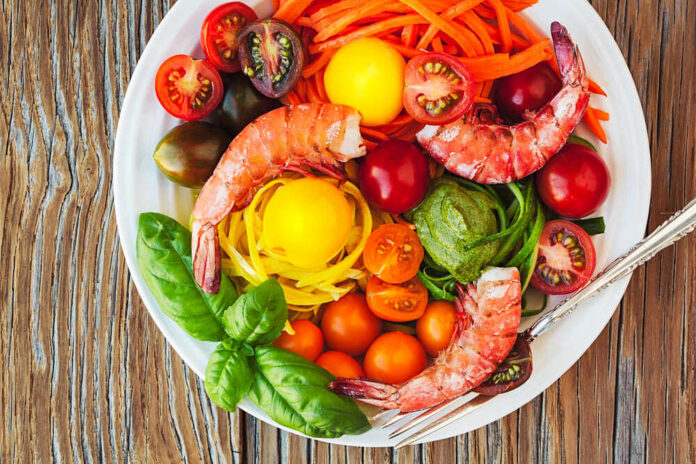
A Swedish study tracking nearly 300,000 people for nearly two decades revealed that those who embraced a planet-friendly Nordic diet slashed their risk of early death by 23 percent, proving you can save your life while saving the planet.
Story Snapshot
- Highest adherence to the Nordic Nutrition Recommendations 2023 diet correlated with a 23% reduction in all-cause mortality over an 18.8-year follow-up period
- Long-term sustained adherence to the dietary pattern showed even more dramatic results, with a 62% lower risk of premature death
- The diet emphasizes vegetables, fruits, berries, whole grains, nuts, and pulses while reducing meat consumption for both human health and environmental sustainability
- Researchers tracked 30,142 deaths across six million person-years, providing robust evidence for the diet’s protective effects against cardiovascular disease and cancer
- The Nordic approach offers a more culturally adaptable alternative to stricter planetary diets like EAT-Lancet, balancing practicality with health outcomes
The Nordic Blueprint for Longevity
The Nordic Nutrition Recommendations 2023 emerged from a recognition that global food systems contribute 40% of greenhouse gas emissions while simultaneously driving chronic disease epidemics. Researchers developed a scoring system measuring adherence to guidelines emphasizing plant-based foods, particularly vegetables, fruits, berries, whole grain cereals, nuts, and pulses, with reduced reliance on meat. The Swedish cohort study enrolled approximately 300,000 middle-aged and elderly participants, tracking their dietary habits from baseline measurements around 2009 through repeat assessments in 2009 and 2019. The median follow-up period of 18.8 years yielded 30,142 deaths across six million person-years, providing substantial statistical power for detecting mortality associations.
This planet friendly diet could cut your risk of early death by 23% https://t.co/M9M33xoZHg
— Zicutake USA Comment (@Zicutake) February 15, 2026
Quantifying the Survival Advantage
Participants scoring highest on the NNR2023 diet score, with more than 10 points, demonstrated a hazard ratio of 0.77 for all-cause mortality compared to those with lowest adherence. This translates to the 23% risk reduction, with 95% confidence intervals ranging from 0.74 to 0.80, indicating robust statistical significance. The protective effects extended beyond overall mortality to specific causes, with similar reductions observed for cardiovascular disease and cancer deaths. The most compelling finding emerged from participants maintaining consistent adherence across multiple assessment points. Those who sustained the dietary pattern over the long term experienced a hazard ratio of 0.38, representing a staggering 62% lower risk of premature death compared to persistent low adherers.
Watch:
Comparing Planetary Diet Approaches
The NNR2023 differs strategically from the 2019 EAT-Lancet Commission’s Planetary Health Diet, which proposed more universal restrictions on animal products. The Nordic approach incorporates regional practicality and cultural food traditions while still addressing environmental concerns around greenhouse gas emissions, land use, and water consumption. Walter Willett, Harvard professor and EAT-Lancet co-chair, emphasized in October 2025 that planetary diets allow for cultural diversity and flexibility, with the updated commission report estimating 15 million annual lives could be saved globally through adoption. The EAT-Lancet 2025 update projects 40,000 daily deaths could be averted alongside a reduction of over 50% in agricultural greenhouse gas emissions if populations shifted toward these dietary patterns.
Biological Mechanisms Behind the Benefits
The protective effects appear to operate through multiple biological pathways. Higher intake of fiber from whole grains, vegetables, and pulses improves metabolic health markers and cardiovascular function. Nuts provide antioxidants that combat oxidative stress and inflammation, key drivers of aging and chronic disease. The reduction in processed meats and excessive dairy limits exposure to compounds associated with increased cancer risk and cardiovascular disease. A parallel 2025 study from the UK Biobank, led by Professor Sabine Rohrmann and funded by the World Cancer Research Fund, confirmed these mechanisms by demonstrating that Planetary Health Diet adherence lowered both cancer incidence and all-cause mortality. Cancer survivors particularly benefited, with habitual adherence cutting cancer-specific mortality risks substantially.
Practical Implementation and Real-World Feasibility
The NNR2023 diet score measures adherence through straightforward food group frequencies rather than rigid calorie counting or extreme restrictions. Participants increased consumption of vegetables, fruits, and berries while incorporating more whole grain cereals, nuts, and legumes into daily meals. Meat consumption decreased but was not eliminated, making the pattern more sustainable for long-term adherence compared to strict vegan approaches. This flexibility addresses a critical barrier to dietary change: sustainability of behavior over decades. The Swedish study’s repeat measurements at multiple time points revealed that many participants maintained or improved their dietary patterns over ten years, contributing to the dramatic 62% mortality reduction observed in consistent adherers.
Economic and Environmental Implications
Healthcare systems spend enormous resources treating diet-related chronic diseases including cardiovascular disease, type 2 diabetes, and cancers. The 23% mortality reduction from dietary modification translates to substantial potential savings in medical expenditures and productivity losses from premature death and disability. Agricultural sectors face pressure to reduce greenhouse gas emissions, with livestock production representing a disproportionate environmental burden relative to plant cultivation. The shift toward plant-rich diets creates economic incentives for farmers to pivot production toward vegetables, whole grains, nuts, and pulses. European Union sustainability policies increasingly incorporate food system transformation as essential to meeting climate targets, with the NNR2023 providing evidence-based guidance for practical implementation that respects cultural food traditions while achieving environmental objectives.
Sources:
Does Plant-Based Diet Influence Cancer Risk Death – World Cancer Research Fund
This Dietary Pattern Could Save Lives and the Planet – Harvard T.H. Chan School of Public Health
These Foods Can Help You Live Longer and Protect the Planet – American Society for Nutrition