
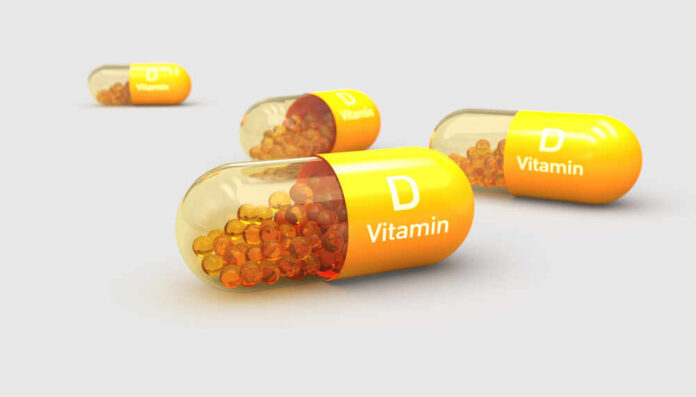
Vitamin D, the sunshine vitamin most people lack, just delivered a jaw-dropping 80% boost in complete breast cancer remission during chemo—but is it the game-changer we’ve waited for, or a risky gamble?
Story Snapshot
- 43% complete cancer remission with 2,000 IU daily vitamin D versus 24% on placebo in new Brazilian study of 80 women over 45.
- Affordable supplement tackles widespread deficiency affecting 66% globally while potentially supercharging neoadjuvant chemotherapy.
- Researchers call for larger trials; not all supplements help—B12 and iron may worsen outcomes.
- Oncologist oversight essential to avoid interactions with chemo drugs.
Study Design and Striking Results
Botucatu School of Medicine at Sao Paulo State University enrolled 80 women over 45 starting neoadjuvant chemotherapy to shrink breast tumors before surgery. Researchers split them into two groups: one took 2,000 IU vitamin D daily, the other placebo. Over six months, 43% in the vitamin D group achieved complete cancer disappearance, doubling the placebo group’s 24% rate. This 80% relative improvement stunned observers, hinting vitamin D sensitizes tumors to chemo.
Vitamin D Deficiency Fuels the Crisis
Two-thirds of the global population suffers vitamin D deficiency, impairing immunity and bone health while possibly elevating cancer risks. Breast cancer patients ramp up supplements threefold post-diagnosis, from 20% to 56%. This study positions vitamin D as a cheap fix—far below pricey chemo enhancers—offering dual wins for deficient patients.
Stakeholders Eye Transformative Shift
Breast cancer patients seek better odds; oncologists weigh protocol changes. Healthcare systems covet cost savings from pennies-per-dose vitamin D over multimillion-dollar drugs. Pharmaceutical firms face affordable rivals. Regulatory bodies must craft chemo-supplement guidelines. Botucatu researchers push deeper probes, especially for resource-poor areas where vitamin D shines brightest.
Cautions from Broader Research
Not every supplement aids chemo. DELCaP study linked vitamin B12 use to poorer survival and recurrence. Iron intake correlated with disease return. Antioxidants like C and E might shield cancer cells from chemo’s kill switch. Multivitamins showed no harm, but facts scream caution.
Experts warn: inform your cancer team about all vitamins. Vitamin D’s promise holds because prior data tied low levels to worse breast cancer mortality, unlike harmful rivals. Larger trials will clarify dosage, long-term effects, and global applicability beyond this small Brazilian cohort.
Potential to Reshape Cancer Care
Short-term, vitamin D could shrink tumors faster, easing surgery. Long-term, validated results might embed nutrition in protocols, slashing costs and tackling deficiency epidemics. Oncology practices personalize plans; patients gain empowerment through supervised use. Broader shifts integrate lifestyle aids, aligning with health stewardship over Big Pharma dependence.
Sources:
Can Vitamin D Improve Breast Cancer Treatment Outcomes? New Study Reveals Promising Results
Research Bytes: Using Supplements During Chemotherapy
PubMed study on supplement use post breast cancer diagnosis
ASCO study on DELCaP and supplements
Cleveland Clinic study on dietary supplements and breast cancer treatment
Yale Medicine on breast cancer survival
AICR on vitamin supplements and breast cancer recurrence