

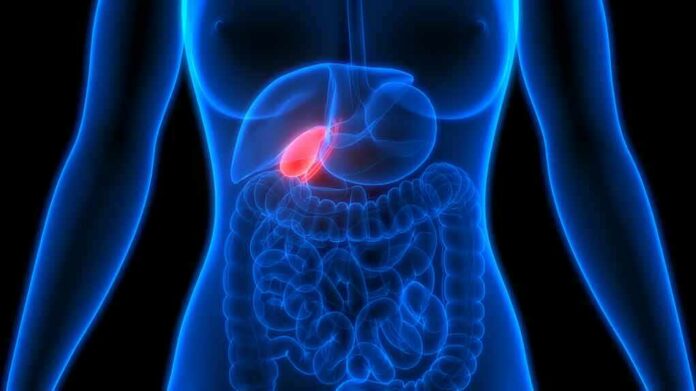
A gallstone can sit quietly in your gallbladder for years, then suddenly cause pain so bad it sends people to the emergency room doubled over.
Quick Take
- Gallstone pain starts when a stone blocks the cystic duct, the tube that carries bile out of the gallbladder.
- The gallbladder keeps squeezing against the blockage, and that buildup of pressure is what causes the sharp pain.
- Pain usually hits the upper right belly, center belly, or back between the shoulder blades, and can last one to several hours.
- Doctors separate simple “biliary colic” from more dangerous problems like infection or pancreatitis, which need faster treatment.
How A Silent Stone Turns Into An Emergency
Many people carry gallstones for years without knowing it. The trouble starts when a stone shifts position and blocks the cystic duct or the common bile duct. That blockage is the turning point between having gallstones and having a painful gallstone attack, according to the Institute of Human Anatomy’s explainer video on the topic.
The gallbladder’s job is simple. It stores bile made by the liver and releases it when you eat fatty food. A hormone called cholecystokinin tells the gallbladder to squeeze and push bile into the small intestine to help digest fat. When a stone blocks the exit, that squeeze has nowhere to send the bile.
That trapped pressure is the real source of the pain. Each time the gallbladder contracts against a blocked duct, pressure builds inside it and stretches its walls. A peer-reviewed case report explains that this post-meal squeezing against an obstruction is exactly what triggers the pain response, not the stone itself just sitting there.
Why The Pain Shows Up In Strange Places
People having a gallstone attack often feel pain in the upper right part of the belly, but it can also hit the center of the stomach or spread to the back between the shoulder blades. The Institute of Human Anatomy says these attacks typically last between one and five hours. Clinical references describe the same pattern, including pain that can radiate to the right shoulder.
That spread of pain happens because nerves from the gallbladder share pathways with nerves from the skin and muscles in the back and shoulder. The brain gets signals from both areas and sometimes mixes up where the pain is actually coming from. This is why someone might feel shoulder pain and never suspect their gallbladder is the problem.
When A Simple Blockage Becomes Something More Dangerous
Not every gallstone attack stays mild. If a stone keeps blocking the cystic duct instead of passing or shifting away, the gallbladder can become inflamed, a condition doctors call acute cholecystitis. If a stone blocks the common bile duct instead, it can lead to jaundice or a dangerous infection called cholangitis. These are more serious than a typical attack and often need urgent treatment.
Research on gallstone timing shows some disagreement on exact numbers. The Institute of Human Anatomy states attacks usually last one to five hours, while another medical reference says pain typically lasts less than six hours but can stretch to twelve in some cases. The gap likely comes from different studies measuring different patient groups, but the basic pattern holds steady across sources.
What This Means For Anyone Worried About Their Gallbladder
The science behind gallstone pain is well understood among doctors, even if it surprises patients the first time they feel it. A blocked duct, a squeezing gallbladder, and rising pressure combine to create one of the more intense pains the body can produce. Knowing the mechanism helps explain why the pain comes on fast, why it often follows a fatty meal, and why it can mimic a heart attack or back injury.
Anyone who experiences sudden, severe upper abdominal pain after eating, especially pain that spreads to the back or shoulder, should take it seriously. The difference between a passing attack and a dangerous complication can come down to how long the blockage lasts and whether infection sets in. Getting checked quickly is the safest move, since biliary colic and cholecystitis require very different levels of urgency.
Gallstones remain common, and most people who have them never feel a thing. But for those who do, understanding the plumbing behind the pain makes a confusing, frightening symptom much easier to recognize and respond to.
Sources:
youtube.com, ncbi.nlm.nih.gov, pmc.ncbi.nlm.nih.gov, merckmanuals.com, jamanetwork.com, instituteofhumananatomy.com